
Chiropractic Care and Rehabilitation: Why Movement Matters Beyond the Treatment Table
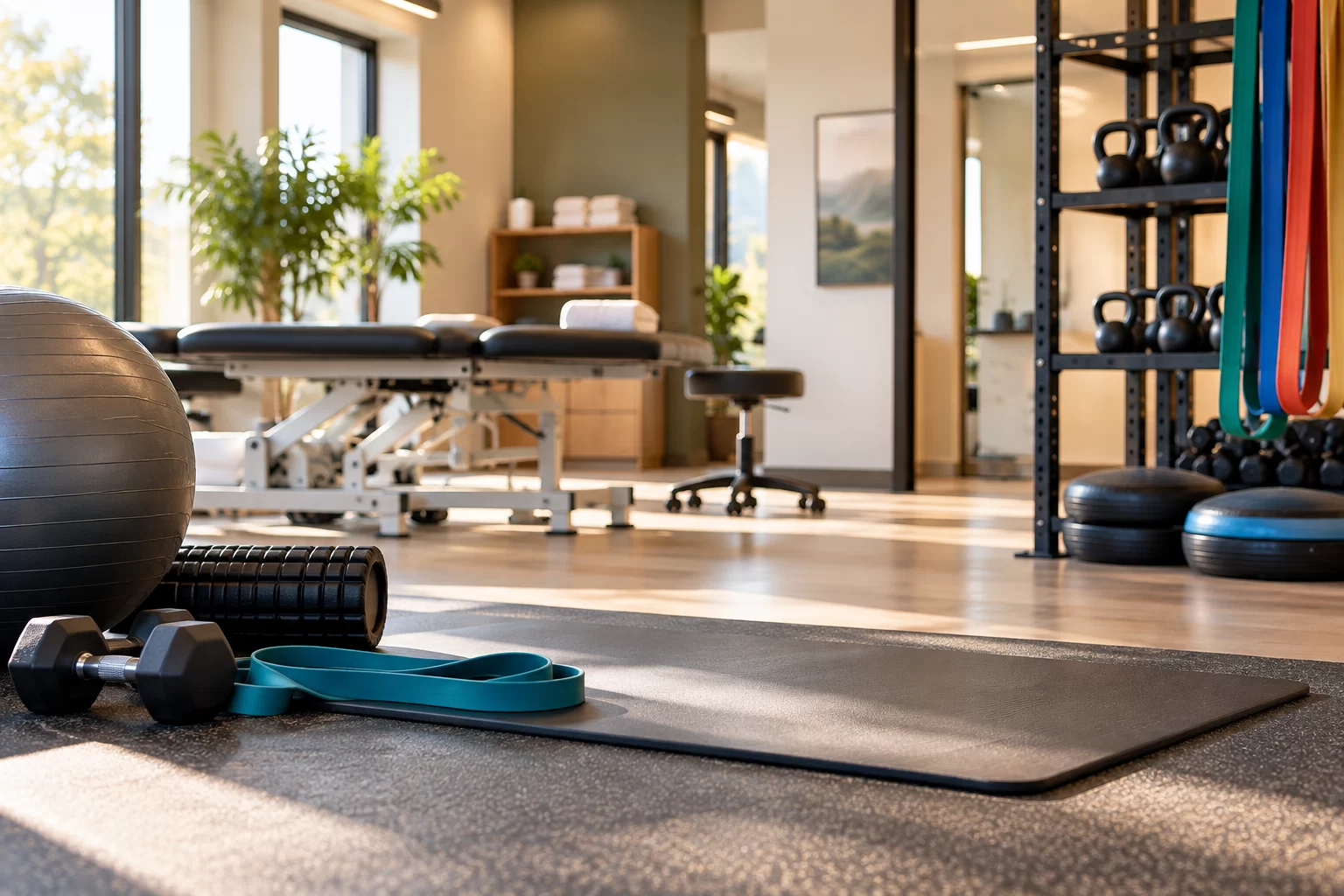
When something hurts, it is natural to focus on the area causing the problem. You may want to move more comfortably, get back to an activity you enjoy, or simply make it through your workday without being distracted by discomfort.
Treatment can be an important part of that process. But what happens between appointments matters too.
At Active Health Collective in Edmonton, chiropractic care and rehabilitation are separate services with different areas of focus. For some patients, one service may be all they need. For others, movement and exercise-based rehabilitation may complement the care they are already receiving.
Understanding the difference can help you see why treatment is sometimes only one part of the bigger picture.
What Does Chiropractic Care Focus On?
Chiropractic care focuses on the musculoskeletal system and how the body’s joints, muscles, and related structures are functioning.
A chiropractic appointment typically begins with an assessment. Your chiropractor will want to understand what you are experiencing, how it is affecting you, and whether there are particular movements, activities, or circumstances connected to the concern.
Treatment will depend on what is found during that assessment and may include different hands-on approaches, along with recommendations for movement, activity, or care outside the clinic.
The goal is not simply to treat a symptom in isolation. Understanding how you move and what may be contributing to a problem can also be an important part of deciding what comes next.
Where Does Rehabilitation Fit In?
Rehabilitation shifts some of the focus from what happens to you during treatment to what you can progressively learn and do through movement.
Depending on your needs, rehabilitation may involve exercises intended to improve areas such as strength, mobility, coordination, stability, or tolerance for particular activities.
At Active Health Collective, our kinesiology and rehabilitation services provide a more structured approach to this part of care.
This can be especially useful when a patient needs more than a few exercises to complete independently at home. Working with a rehabilitation professional provides an opportunity to learn movements correctly, adjust them as needed, and gradually progress them as your abilities change.
Why Does Movement Matter?
The human body is made to move.
When an area becomes uncomfortable, however, people often begin changing how they move. Sometimes that is necessary for a period of time. In other situations, avoiding movement for too long can make returning to normal activity more difficult.
You might begin favouring one side, avoiding a certain motion, or becoming less active because you are worried about aggravating the problem.
Over time, that can affect strength, mobility, confidence, and your ability to perform everyday activities.
Appropriate movement can help you gradually work toward doing more again.
That doesn’t mean pushing through significant pain or assuming that more exercise is always better. The type, amount, and progression of activity should make sense for the individual.
Chiropractic and Rehabilitation Have Different Roles
It can be helpful to think about chiropractic care and rehabilitation as two different tools.
Your chiropractor may assess a musculoskeletal concern and provide treatment based on the findings. Rehabilitation may focus more specifically on developing the strength, mobility, control, or physical capacity needed for your activities.
Those roles can sometimes complement each other, but they are not interchangeable.
They also don’t need to be used together in every situation.
Some patients may only need chiropractic care. Others may primarily benefit from rehabilitation. And in certain situations, a coordinated approach may be appropriate.
The decision should be based on the patient’s individual needs rather than a predetermined treatment package.
What Can Rehabilitation Look Like?
Rehabilitation doesn’t necessarily mean complicated exercises or an intense workout.
A program should start where you are.
For one person, that could mean improving basic mobility and becoming comfortable with certain movements again. For another, the focus might be building strength for work. Someone returning to recreation or sport may eventually need more challenging exercises that reflect those demands.
A rehabilitation plan may include work on:
- mobility and range of motion
- strength
- balance and stability
- movement control
- tolerance for everyday tasks
- gradual return to work, recreation, or physical activity
The specific exercises and progression depend on the person rather than simply the name of an injury or condition.
What Happens Between Appointments Matters
One advantage of incorporating appropriate movement into care is that it gives patients something they can actively work on outside the treatment room.
This doesn’t mean you need to spend hours exercising every day.
A useful program should be realistic enough to fit into everyday life. A small number of appropriate exercises performed consistently may be more practical than an elaborate program that rarely gets completed.
It is also why understanding how to perform an exercise matters.
Rehabilitation isn’t simply receiving a sheet of exercises. Guidance can help you understand what you are trying to accomplish, what the movement should feel like, and when an exercise needs to be adjusted or progressed.
A Team Approach Without a One-Size-Fits-All Plan
One reason Active Chiropractic expanded into Active Health Collective was to bring professionals with different areas of expertise together in one Edmonton clinic.
That doesn’t mean every patient is passed from one practitioner to another.
Instead, it gives our team options.
If chiropractic care is appropriate on its own, that may be the approach. If more structured rehabilitation would be beneficial, our kinesiology and rehabilitation team is available. In some circumstances, practitioners may also communicate with one another so that the care being provided makes sense for the patient as a whole.
The goal is not to add more appointments.
It is to help determine what kind of care is appropriate for the person in front of us.
Moving Toward the Things That Matter to You
Ultimately, movement isn’t important simply because you can measure strength or range of motion.
It matters because movement is part of life.
It is getting through a day at work. Picking up your child. Walking the dog. Gardening. Training at the gym. Playing a sport. Getting back to a hobby you have missed.
Treatment may help address what is limiting you today. Rehabilitation can sometimes help build the capacity you need for what you want to do tomorrow.
If you’re unsure whether chiropractic care, rehabilitation, or another service at Active Health Collective is the right place to start, our Edmonton team can help you determine which type of appointment best fits your needs.
FAQs
What is chiropractic rehabilitation?
Chiropractic care and rehabilitation are related but distinct areas of care. Chiropractic care focuses on assessing and treating musculoskeletal concerns, while rehabilitation typically uses movement and exercise to work on areas such as strength, mobility, stability, and physical function.
Do I need rehabilitation if I see a chiropractor?
Not necessarily. Some people may benefit from chiropractic care alone, while others may benefit from rehabilitation or a combination of services. Recommendations should be based on your individual assessment and needs.
What does a kinesiologist do during rehabilitation?
A kinesiologist uses knowledge of human movement and exercise to help develop an individualized rehabilitation program. This may include exercises for mobility, strength, stability, movement control, and gradual return to activities.
Can rehabilitation help me return to work or exercise?
Depending on your circumstances, rehabilitation may include gradually building the strength, movement, and physical capacity required for work, recreation, exercise, or other everyday activities.